Saturday 20 / June / 2026
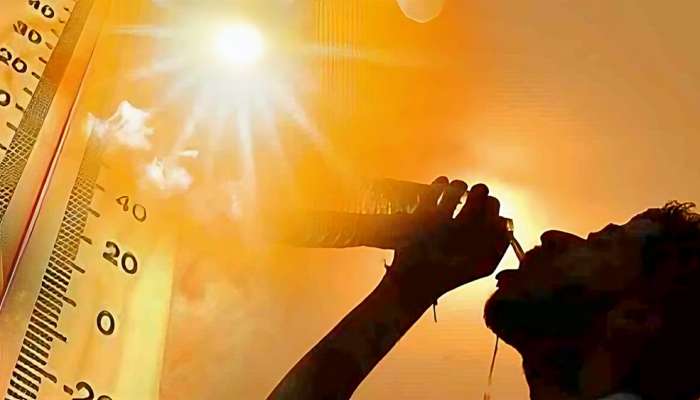
MUSCAT: As summer temperatures continue to climb across the Sultanate of Oman, the Ministry of Health has intensified public awareness efforts, urging people to take preventive measures against heat stress and sunstroke, particularly among vulnerable groups who face a higher risk of serious health complications.
Dr. Shamsa Al Harthy, Head section of school and university health programmes at Ministry of Health, said rising temperatures during the summer season require increased vigilance from both individuals and employers to prevent heat-related illnesses.
Speaking to the Oman News Agency (ONA), Dr. Al Harthy identified the elderly aged 65 and above, infants and children under four years old, outdoor workers exposed to direct sunlight, employees working in enclosed spaces without air conditioning, and pilgrims are most susceptible to heat stress and sunstroke.
She explained that heat-related illnesses can develop rapidly and may become life-threatening if not recognised and treated promptly.
Among the symptoms that require immediate medical attention are excessive sweating, severe fatigue, headaches, nausea, vomiting, dizziness, extreme thirst, muscle cramps, rapid heartbeat, and elevated body temperatures ranging between 38 and 39.5 degrees Celsius. Changes in skin condition, including redness and excessive warmth or cold, clammy skin accompanied by paleness, should also be regarded as warning signs.
The ministry stressed that proper hydration remains the most effective defense against heat-related illnesses. Dr. Al Harthy advised people exposed to hot weather to drink water regularly throughout the day, recommending between two and four cups of water every hour when outdoors in high temperatures. Individuals undertaking physical activity under the sun should also replenish lost salts and minerals and avoid beverages containing high levels of caffeine or sugar, which can contribute to dehydration.
According to the ministry’s guidelines, men should consume between 3.5 and 4 litres of fluids daily while in air-conditioned environments, while women should aim for 2.5 to 3 litres.
Those working or exercising outdoors are advised to drink one to two cups of water every 15 to 20 minutes.
The ministry also urged the public to avoid strenuous outdoor activities between 10 a.m. and 4 p.m., when temperatures are typically at their peak. Workers in hot environments should take frequent breaks in shaded or air-conditioned areas and wear loose-fitting, light-colored clothing. The use of hats, sunglasses and sunscreen is also recommended to reduce the effects of prolonged sun exposure.
Residents were encouraged to stay indoors during the hottest periods of the day whenever possible and to keep windows and curtains closed to minimize heat entering homes and buildings.
She emphasised that children, elderly individuals and patients with chronic illnesses require special care during periods of extreme heat.
Children should be provided with fluids regularly and protected from direct sunlight, while elderly people should be monitored closely and encouraged to drink water even when they do not feel thirsty.
She also advised people suffering from chronic medical conditions to consult their healthcare providers regarding possible adjustments to medication schedules during heat waves and to ensure that medicines are stored at recommended temperatures to maintain their effectiveness.
For outdoor workers, the ministry highlighted the importance of wearing protective clothing, maintaining adequate hydration and recognising the early symptoms of heat stress. Workers were urged to report any unusual symptoms immediately rather than continuing strenuous activities.
At the same time, employers were called upon to strengthen preventive measures at work sites by monitoring temperature and humidity levels, training employees to identify heat-related illnesses, providing awareness materials and implementing emergency response plans to deal with health emergencies.
The ministry also outlined key first-aid measures for suspected heatstroke cases. These include immediately moving the affected person to a shaded or air-conditioned location, laying them down with their feet slightly elevated, removing excess clothing and cooling the body using cold water, wet clothes or cold compresses placed on the neck, armpits and groin areas until emergency medical assistance arrives.
The Ministry of Health reiterated that prevention and public awareness remain the first line of defence against heat-related illnesses. With temperatures expected to remain high throughout the summer, health authorities are encouraging all members of society to monitor their health, stay hydrated and follow safety guidelines to reduce the risk of heat stress and sunstroke.