Wednesday 03 / June / 2026
Muscat-- Tajawob platform recorded over 2.6 million visits and 785,000 active users till the end of May 2026. The total number of requests submitted through the platform exceeded 235,000, comprising more than 85,000 complaints, approximately 90,000 reports, over 16,000 suggestions, and more than 43,000 inquiries.
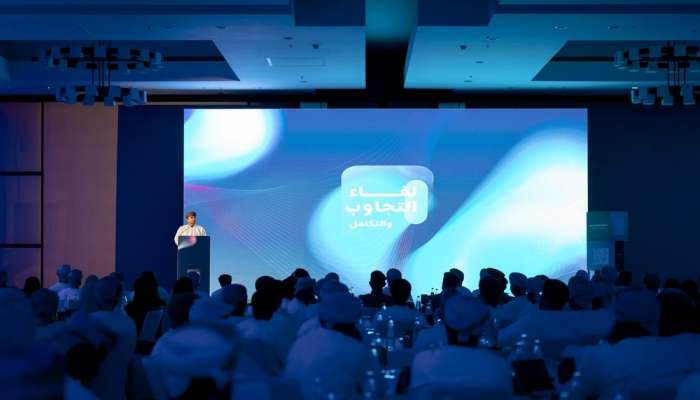
These statistics were announced during the "Second Response and Integration Meeting," hosted by the Ministry of Transport, Communications, and Information Technology, with the participation of over 300 employees representing central and executive teams, as well as communications and media units from government institutions that have activated the national platform for suggestions, complaints, and reports "Tajawob."
The meeting is part of ongoing efforts to enhance institutional integration and develop the beneficiary interaction system through the exchange of institutional expertise and experiences, as well as to discuss opportunities for improvement that contribute to raising processing and response efficiency and enhancing the quality of government services.
The meeting featured discussions on several key themes related to operational performance indicators, processing quality, and adherence to approved methodologies. It also showcased a number of success stories and developmental improvements implemented through the platform, which have accelerated request processing and improved follow-up efficiency and coordination among government entities.
The meeting included presentations of several institutional experiences, including that of the Ministry of Transport, Communications, and Information Technology in developing operational integration and improving the efficiency of handling requests received via the platform, as well as the experience of the Ministry of Agriculture, Fisheries and Water Resources in enhancing response speed and improving processing and follow-up quality—reflecting the impact of institutional integration on developing the beneficiary experience and elevating the standard of services provided.
The meeting featured an extensive dialogue session during which participants discussed several development opportunities related to the platform, along with a number of initiatives and proposals aimed at enhancing operational efficiency, standardizing institutional procedures and practices, exchanging successful experiences, and leveraging data and operational indicators to support decision-making and improve institutional performance.
Interactions and suggestions submitted through the platform have led to the implementation of several developmental, legislative, and regulatory improvements across various sectors. The Ministry of Transport, Communications and Information Technology has installed shock-absorbing barriers on Sultan Thuwaini bin Said Road to enhance traffic safety and reduce accidents. The Ministry has also issued regulations governing the operation of foreign vessels and marine units in the territorial sea of the Sultanate of Oman (ship supply operations), contributing to the organization of maritime activities and raising their operational efficiency.
The Governorate of North A’Sharqiyah has implemented a number of road and public facility improvement projects in response to community needs. Meanwhile, the Ministry of Heritage and Tourism has provided electric vehicle charging points in hotel facility parking lots, supporting the transition toward sustainable transport and enhancing the tourism sector's readiness for the green transition.
In the field of entrepreneurship support, the Small and Medium Enterprises Development Authority launched an initiative offering pre-fabricated factories to empower entrepreneurs and facilitate the launch of their industrial projects, as well as establishing a Local Added Value Day to enhance the participation of national enterprises in supply chains and increase their contribution to economic development.
Community interactions and proposals have also highlighted the importance of developing legislative frameworks that support social empowerment. As a result, a set of benefits and facilities supporting persons with disabilities has been approved within the Law on the Rights of Persons with Disabilities, thereby strengthening their rights and ensuring their active participation in various aspects of life.