Monday 25 / May / 2026
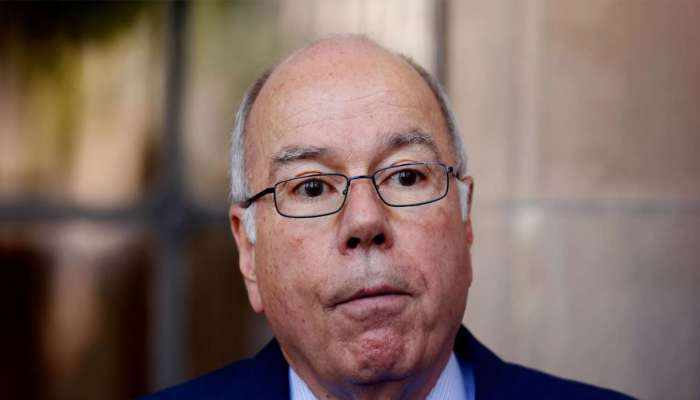
Sao Paulo: Brazil is actively working to diversify its trading partners, strategic suppliers and export destinations as global tensions and changing supply chains reshape international commerce, Foreign Minister Mauro Vieira has said.
In an interview with Valor Economico, Vieira emphasised that the President Luiz Inacio Lula da Silva-led government is pursuing a broader and more balanced foreign policy without aligning exclusively with major global powers.
According to Vieira, Brazil aims to strengthen relations across multiple regions while supporting a multipolar world order.
He stressed that the country does not seek exclusive alliances or limitations in its international engagement, highlighting the government's efforts to maintain broad diplomatic and economic partnerships.
The minister revealed that countries including India, South Korea and Japan have recently shown interest in importing Brazilian oil. He also pointed to Central Asian nations as potential alternatives for fertiliser supplies, a move intended to reduce dependence on a limited number of sources.
Referring to concerns around the Strait of Hormuz, a key global trade route, Vieira said recent developments had reinforced the need for supply diversification. He stated that reliance on a single supplier could create vulnerabilities, especially during periods of geopolitical uncertainty, as reported by Brasil 247.
Vieira also outlined progress in trade negotiations involving Mercosur and countries including Canada, the United Kingdom, Vietnam, Japan and the United Arab Emirates. Discussions with Japan are reportedly focused on strengthening trade relations, although Vieira acknowledged the complexities surrounding free trade agreements.
On rare earth elements, the minister said Brazil intends to protect national interests and ensure greater value addition within the country. He also dismissed suggestions of exclusivity involving the United States, stating that Brazil remains open to dialogue with all interested nations.
The minister additionally called for reforms in global institutions, including the United Nations and the World Trade Organisation, stressing the importance of predictable international trade frameworks.