Saturday 25 / April / 2026
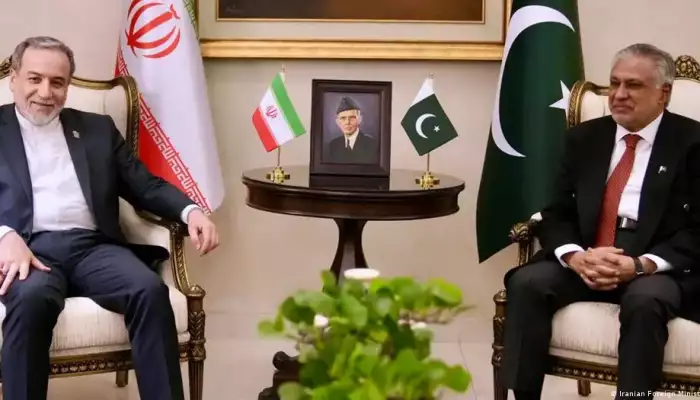
The US and Iran on Friday both gave conflicting statements on the state of potential peace talks, as Pakistan tries to get a second round of negotiations off the ground.
The first round of talks in Islamabad two weeks ago led by US Vice President JD Vance ended after 21 hours with no progresstowards a deal. Since then, US President Donald Trump has said a ceasefire would be extended indefinitely, albeit while continuing to issue threats towards Tehran.
However, without a deal, the global econonmy remains on edge, as passage for goods, oil and gas through the Strait of Hormuz remains impeded by both the threat of Iranian attacks, and a US blockade on Iran-aligned shipping.
White House Press Secretary Karoline Leavitt told reporters on Friday that US envoys Jared Kushner and Steve Witkoff will go to Pakistan on Saturday "to engage in talks ... with representatives from the Iranian delegation."
"We’ve certainly seen some progress from the Iranian side in the last couple of days," she added. Leavitt did not offer any details about what US officials were hearing.
"The Iranians reached out, as the president called on them to do, and asked for this in-person conversation," Leavitt said, adding that the talks would "hopefully move the ball forward towards a deal."
Later, Iran's Foreign Ministry said Foreign Minister Abbas Araghchi had arrived in Islamabad, but ruled out a direct meeting with US envoys.
Instead, the foreign ministry said Araghchi would convey Iran's "observations" to Pakistan.




