Saturday 20 / June / 2026
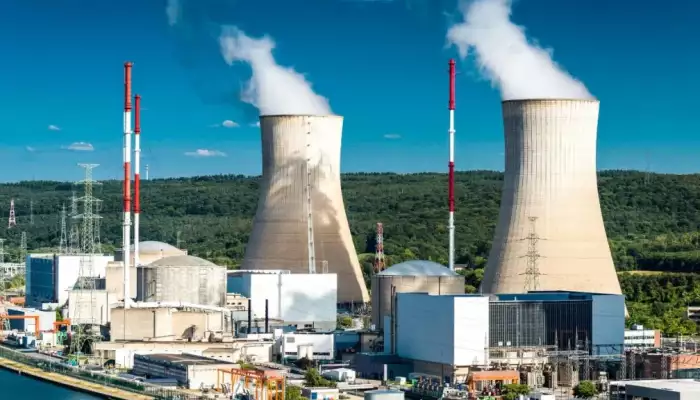
India’s first commercial nuclear power plant has reached a significant milestone, with the two oldest reactors at the Tarapur Atomic Power Station successfully reconnected to the national grid following extensive modernization and safety upgrades.
The two boiling water reactors (BWRs), Tarapur Units 1 and 2, originally commissioned in 1969, are among the world’s oldest operating nuclear power units. Built by GE Aerospace under a turnkey contract, the reactors were initially rated at 200 MWe before being downrated to 160 MWe gross capacity.
According to Nuclear Power Corporation of India Limited (NPCIL), both units have resumed power generation after being offline since 2020 for a comprehensive refurbishment programme aimed at extending their operational life and enhancing safety systems.
India’s nuclear regulator, the Atomic Energy Regulatory Board, approved the restart of Unit 2 in May after reviewing the completed upgrades. The work included replacing the reactor coolant recirculation piping with advanced corrosion-resistant stainless steel components and installing additional safety features such as a filtered containment venting system and an alternate cooling water system.
Extensive inspections were also carried out on critical reactor components, including reactor pressure vessel welds, to assess ageing and long-term reliability. Regulators concluded that the reactor can continue operating safely under standard maintenance and surveillance programmes and granted Unit 2 a further 10-year operating licence. Unit 1 received restart approval in December 2025 and is now operating at its full rated capacity of 160 MWe.
NPCIL described the return of both reactors as a major achievement for India’s nuclear energy programme, highlighting the plant’s more than five decades of contribution to the country’s energy security through reliable, low-carbon electricity generation.
The Tarapur site also hosts two indigenous pressurised heavy water reactors, Tarapur Units 3 and 4, which entered service in 2005 and 2006. Looking ahead, the facility has been identified as a potential location for India’s next-generation small modular reactor projects, including the proposed 200 MWe BSMR-200 and the 55 MWe SMR-55 designs.
The successful revival of Tarapur’s pioneering reactors underscores India’s efforts to extend the life of existing nuclear assets while expanding its nuclear fleet to support growing electricity demand and long-term clean energy goals.